
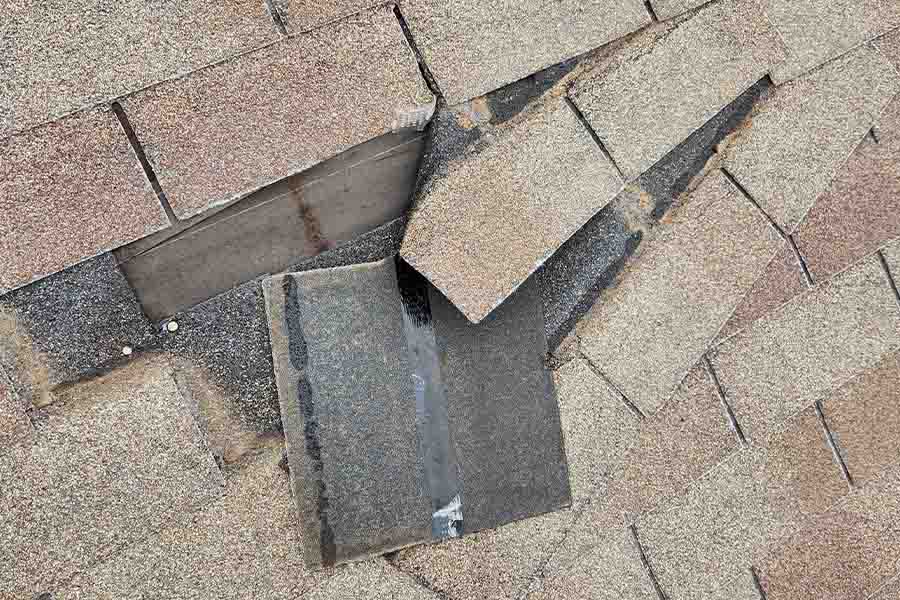
When a roof leak develops in Saginaw, TX, the clock starts immediately. Water doesn’t wait, and neither does the damage it causes. In our work throughout Saginaw and the surrounding north Tarrant County area, we’ve responded to hundreds of emergency calls where a small, manageable leak became a major structural repair because a homeowner didn’t know the early warning signs or wasn’t sure who to call. This guide gives you the information you need to recognize a roofing emergency early, contain the situation, and get the right professionals on site fast.
Understanding the Common Causes of Roof Leaks in Saginaw, TX
Saginaw’s weather is not gentle on roofs. The rapid storm lines that push through from the west along Blue Mound Road and the US-287 corridor can bring wind-driven rain and hail that expose every vulnerability in an aging roof system. We see a consistent set of failure points across the homes we inspect:
Aging shingles lose their protective granule coating over time, leaving the underlying mat exposed to UV degradation and moisture. Flashing at chimneys, skylights, and roof-to-wall transitions is one of the most common failure points — sealant deteriorates, metal shifts with temperature changes, and water follows the path of least resistance straight into the structure. Roof valleys where two planes meet are notorious for water concentration, and any breakdown in valley flashing or underlayment accelerates leak development.
Tree cover in older Saginaw neighborhoods adds additional risk. Overhanging branches deposit debris that holds moisture against shingles, and a storm-driven limb can puncture a roof deck with no warning. Proactive trimming and annual inspections address this risk before it becomes an emergency.
How to Identify an Emergency Roof Leak Quickly
The earliest signs of a roof leak often appear inside the home before any exterior damage is visible. Water stains on ceilings — particularly in the areas below roof valleys, chimneys, or penetrations — are the most common indicator. Peeling paint or soft drywall near exterior walls and ceiling edges should also raise immediate concern.
In the attic, look for dampness, dark staining on the roof decking, or any daylight visible through the boards. After a significant storm, a flashlight inspection of the attic is one of the most effective early-detection tools available to a homeowner. Outside, missing shingles, displaced ridge cap, and debris accumulation in gutters are all indicators that warrant a closer look.
If you’re unsure, don’t wait. Our team provides professional roof inspections with free assessments available within 24 hours — catching a problem early almost always means a significantly lower repair cost.
Steps to Take Immediately After Discovering a Roof Leak
Speed and documentation are the two priorities when you discover an active leak. Here’s the sequence that protects your home and your insurance position:
First, locate and contain. Identify where water is entering and place containers or absorbent materials to minimize the spread. If the leak is active and the ceiling material is bulging, puncturing it in a controlled location is preferable to allowing a wider collapse.
Second, document everything. Photograph ceiling damage, visible roof damage from ground level, and any interior water intrusion before you begin cleanup. This documentation is essential for insurance claims and provides the contractor with critical context before inspection.
Third, isolate electrical hazards. If water is near light fixtures, outlets, or breaker panels, cut power to the affected circuits until a professional has assessed the situation.
Fourth, call a qualified roofing contractor. Temporary tarping over the affected area can prevent additional water entry while permanent repairs are scheduled. At Texas Select Construction, we offer 24/7 emergency response for exactly these situations.
Choosing the Right Roofing Professionals for Emergency Repairs
Not every contractor who shows up after a storm is the right contractor for your home. Storm chasers — out-of-state crews that flood local markets after major weather events — are a well-documented problem throughout Tarrant County. They frequently offer low upfront bids, use substandard materials, and are unreachable when warranty issues arise.
When evaluating contractors for emergency repairs, prioritize local presence, verifiable credentials, and manufacturer certifications. Texas Select Construction is BBB Accredited with an A+ rating, Owens Corning certified, and deeply rooted in the Keller and north Tarrant County area. We’re available around the clock, and our storm and hail damage repair team is experienced with the insurance documentation process from start to finish.
Tips for Preventing Future Roof Leaks in Your Home
Prevention is always less costly than emergency repair. For Saginaw homeowners, these habits make the most meaningful difference:
Schedule a professional roof inspection at least once per year and immediately after any significant hail or high-wind event. Keep gutters and downspouts clear of debris so water drains freely and doesn’t back up under shingles at the eaves. Monitor flashing points around any roof penetration — these are consistently the first areas to fail. Replace damaged or missing shingles promptly rather than patching over them, and invest in high-quality materials and certified installation from the start to extend your roof’s effective lifespan.
A proactive approach to roof maintenance in Saginaw, TX, pays for itself many times over when you consider the alternative: emergency repairs, interior water damage, mold remediation, and insurance complications.

Your Saginaw Home Deserves a Roof That Won’t Let You Down
A roof leak is stressful under any circumstances. Having a trusted local contractor on call makes the difference between a contained repair and a catastrophic situation. If you’ve noticed any of the warning signs described above or have concerns about your roof’s condition, schedule your appointment today and we’ll have an assessment team on site within 24 hours.