
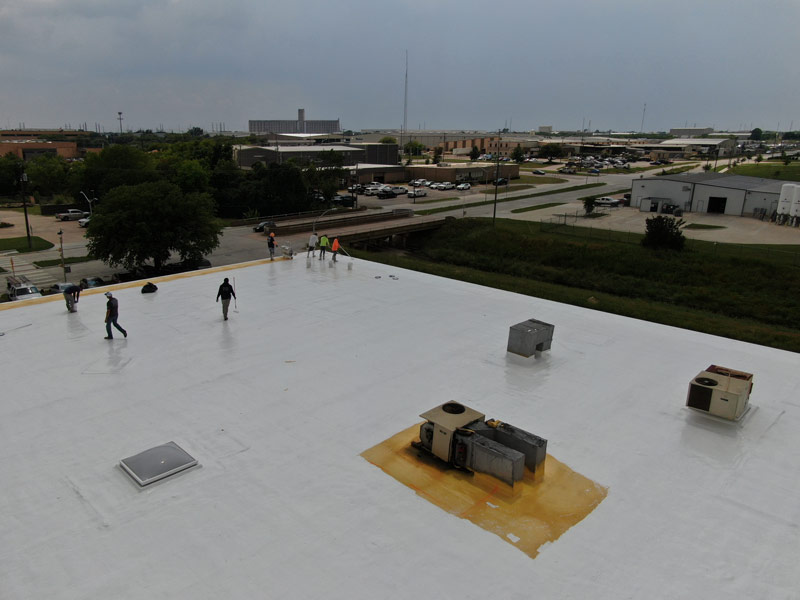
When it comes to roof replacement, you might find yourself at a crossroads. Choosing between flat and sloped roofs can feel like a balancing act, especially with the unique climate in Weatherford, TX. Each option has its own set of advantages and challenges that can greatly impact your home. Understanding these differences is essential for making a well-informed choice that suits your needs and preferences. Let’s investigate what sets these roofing styles apart.
If you want local guidance tailored to your property, exploring roof replacement services in Weatherford, TX can help you compare flat and sloped options based on neighborhood standards and regional weather.
Design and Aesthetic Considerations
When you’re considering a roof replacement, it’s important to think about how the design and aesthetics will impact your home’s overall appearance. Your roof not only protects your home but also greatly influences its curb appeal.
A flat roof offers a modern, minimalist look, which can complement contemporary architecture. If you prefer a more traditional style, a sloped roof might improve the classic charm of your home.
Consider the color and materials, too. A flat roof typically uses materials like EPDM or TPO, while sloped roofs can feature shingles, tiles, or metal. Each choice has its own visual impact.
You’ll want to guarantee that the roof design harmonizes with your home’s overall style and the surrounding neighborhood. Think about how different angles and heights can create unique visual lines.
Ultimately, your choice should reflect your personal style while raising your home’s value and appeal. Additionally, elastomeric roof coating can enhance the longevity and energy efficiency of your roof, contributing to both its appearance and functionality.
Cost of Replacement
Understanding the cost of roof replacement is vital, especially since it can vary greatly between flat and sloped roofs. Typically, flat roofs tend to be more affordable than sloped roofs. This is mainly because of the materials used and the labor involved.
Flat roofs often require fewer materials, and the installation process is usually simpler, which can lower labor costs. On the other hand, sloped roofs may involve complex designs and additional materials, making them more expensive.
Factors like pitch, accessibility, and roofing material also influence the overall cost. For instance, high-quality shingles or tiles can greatly increase your expenses. Additionally, investing in high-quality materials can enhance curb appeal and long-term durability.
Ultimately, it’s important to evaluate not just the upfront costs but likewise long-term durability and maintenance. That’s where working with a reputable contractor, like Texas Select Construction, pays off.
They can help you navigate your options and guarantee you’re making a wise investment for your home.
Installation Process
When it comes to the installation process, preparation and planning are key for both flat and sloped roofs. You’ll need to contemplate material selection differences and how they impact labor and time requirements. Understanding these factors can help you make knowledgeable choices for your roofing project. Additionally, considering roof condition assessment can provide valuable insights into the necessary steps for a successful installation.
Preparation and Planning
A successful roof replacement begins with thorough preparation and planning. You’ll want to assess the current condition of your roof to identify any damage or necessary repairs.
Next, create a timeline for the project, considering weather conditions and your availability. It’s furthermore crucial to secure any necessary permits and make certain your property is ready for the installation, which might include moving outdoor furniture and vehicles.
Communicate clearly with your roofing contractor about your expectations and concerns, so everyone is on the same page.
Finally, prepare for the debris and noise during the installation, making sure your family and pets are safe and comfortable during the process. Proper planning makes the entire roofing experience smoother and more efficient.
Material Selection Differences
Choosing the right materials for your roof replacement can greatly impact the installation process.
Flat roofs often utilize different materials than sloped roofs, which can affect how quickly and effectively your project is completed. Here are some key material differences to evaluate:
- Asphalt Shingles: Common for sloped roofs, they’re lightweight and easy to install.
- TPO or EPDM: Ideal for flat roofs, these materials provide excellent waterproofing and durability.
- Metal Panels: Versatile for both types, they offer longevity and can resist harsh weather.
- Tile or Slate: Typically used for sloped roofs, these materials add aesthetic value but require more intricate installation.
Labor and Time Considerations
While considering a roof replacement, it’s crucial to understand how labor and time can vary between flat and sloped roofs.
Flat roofs typically require less labor and time for installation since they’ve fewer materials and simpler structures. This can lead to quicker project completion, ideal for homeowners keen to minimize disruption.
Nevertheless, sloped roofs demand more intricate work, including precise measurements and additional safety measures, which can extend the installation timeline.
You’ll likewise want to account for potential weather delays, as steep pitches can be more challenging to work on in adverse conditions.
Ultimately, weighing these labor and time considerations will help you make a well-informed choice that best suits your needs and schedule.
Maintenance Requirements
Understanding the maintenance requirements for flat and sloped roofs is crucial to prolonging their lifespan and ensuring your home stays protected. Each type has distinct needs that you should be aware of.
- Flat Roofs: Regularly inspect for pooling water, as this can lead to leaks. Clean debris and check seams for damage.
- Sloped Roofs: Keep gutters clear to prevent water buildup. Check for loose shingles and inspect under eaves for signs of rot.
- Frequency: Schedule maintenance checks at least twice a year for both types to catch issues early.
- Seasonal Care: Prepare your roof for seasonal changes; winter and heavy rains can worsen existing problems. Additionally, utilizing trusted materials during repairs can help enhance the durability of your roof.
Durability and Lifespan
When choosing between flat and sloped roofs, it’s crucial to evaluate how their materials impact durability and longevity.
Each roofing type comes with its own lifespan expectations, influenced by factors like weather and maintenance.
Understanding these differences will help you make a knowledgeable choice for your home.
Material Resilience Comparison
Durability is a key factor in choosing between flat and sloped roofing materials, as it directly influences the lifespan and performance of your roof.
Each roofing type offers distinct advantages in resilience, impacting how well they withstand weather elements. Here’s a quick comparison of material resilience:
- Flat Roofs: Often use materials like TPO or EPDM, which are designed for water resistance but may be more prone to punctures.
- Sloped Roofs: Typically feature asphalt shingles or metal, which can shed water more effectively and resist debris accumulation.
- Maintenance: Sloped roofs typically require less frequent maintenance compared to flat roofs.
- Wind Resistance: Sloped roofs often perform better in high winds, reducing the risk of damage.
Choosing the right material can notably improve your roof’s durability. For expert guidance on both styles, many homeowners turn to residential roofing services for Texas homes to match materials to their goals and budget.
Lifespan Expectations Explained
While choosing a roofing system, it’s crucial to contemplate how long you can expect it to last.
Flat roofs typically have a lifespan of 10 to 20 years, depending on the materials used and maintenance. They’re prone to pooling water, which can shorten their durability.
On the other hand, sloped roofs often last 20 to 50 years, with options like metal or tile offering even longer lifespans.
Regular inspections and maintenance can greatly extend the life of either type.
When you partner with Texas Select Construction, you gain access to quality materials and craftsmanship, ensuring your roof stands the test of time.
Ultimately, understanding these lifespan expectations helps you make a well-informed choice for your home.
Weather Resistance
Weather resistance is a crucial factor to take into account when choosing between a flat or sloped roof for your home. Each roof style has distinct advantages related to how it handles weather conditions.
- Sloped roofs effectively shed water, reducing the risk of leaks and water pooling.
- Flat roofs are more prone to water accumulation, making proper drainage fundamental to prevent damage.
- Material choice matters; sloped roofs often use asphalt shingles or tiles that resist strong winds and hail better than some flat roof materials.
- Maintenance needs differ; sloped roofs typically require less frequent inspections, while flat roofs need regular checks to guarantee drainage systems are functioning well.
Understanding these differences can help you make a knowledgeable choice based on your local weather patterns.
Prioritizing weather resistance will ultimately protect your home and improve its longevity.
Energy Efficiency
Choosing the right roof style not only impacts your home’s protection from the elements but likewise plays a significant role in energy efficiency.
If you opt for a sloped roof, it can help with natural ventilation, allowing hot air to escape, which keeps your home cooler during Texas summers. This can lead to reduced energy costs as your air conditioning doesn’t have to work as hard.
On the contrary, flat roofs can be designed with energy-efficient materials and coatings that reflect sunlight, which can additionally lower cooling costs.
Nevertheless, they may require additional insulation to maximize energy savings.
Ultimately, the right choice depends on your home’s design, climate, and local energy costs.
Whichever style you choose, consider discussing energy-efficient options with professionals like Texas Select Construction to guarantee your roof improves your home’s efficiency while providing long-lasting protection. If you are leaning toward a flat system, partnering with a team that handles flat roofing replacement and installation can help you get the best performance from your new roof.

Choosing the Best Roof Style for Your Weatherford Home
In the end, choosing between a flat or sloped roof in Weatherford, TX, is like picking a canvas for your home’s masterpiece. Picture a sleek, modern flat roof catching the sun’s rays, or envision a charming sloped roof that frames your home against the sky. Each option has its unique appeal, costs, and requirements. By weighing these differences, you’ll guarantee your roof not only protects your home but likewise complements its beauty for years to come. If you are ready to move from comparison to action, you can schedule your free roof inspection and replacement estimate to get a personalized recommendation on whether a flat or sloped roof is the better fit for your Weatherford home.